Photographic guide · Testudo hermanni
Testudo hermanni: male or female?
Learn to spot the clues in real photographs from the Guardians’ archive, with comparisons and explanations to explore together.
Photographic edition: 11 September 2026 · Educational information, not a remote clinical identification.
Let’s start with two examples
The same tortoise, seen from above and below.
The carapace is the upper part of the shell; the plastron is the underside. Looking at both helps you see the whole picture, but the upper shell is not a reliable marker of sex on its own.
Each pair of photographs shows the same individual, according to the archive records. You can enlarge the images, but they are not shown to the same scale: do not compare the animals’ sizes by how large they appear on screen.
Female
A profile to read as a whole.
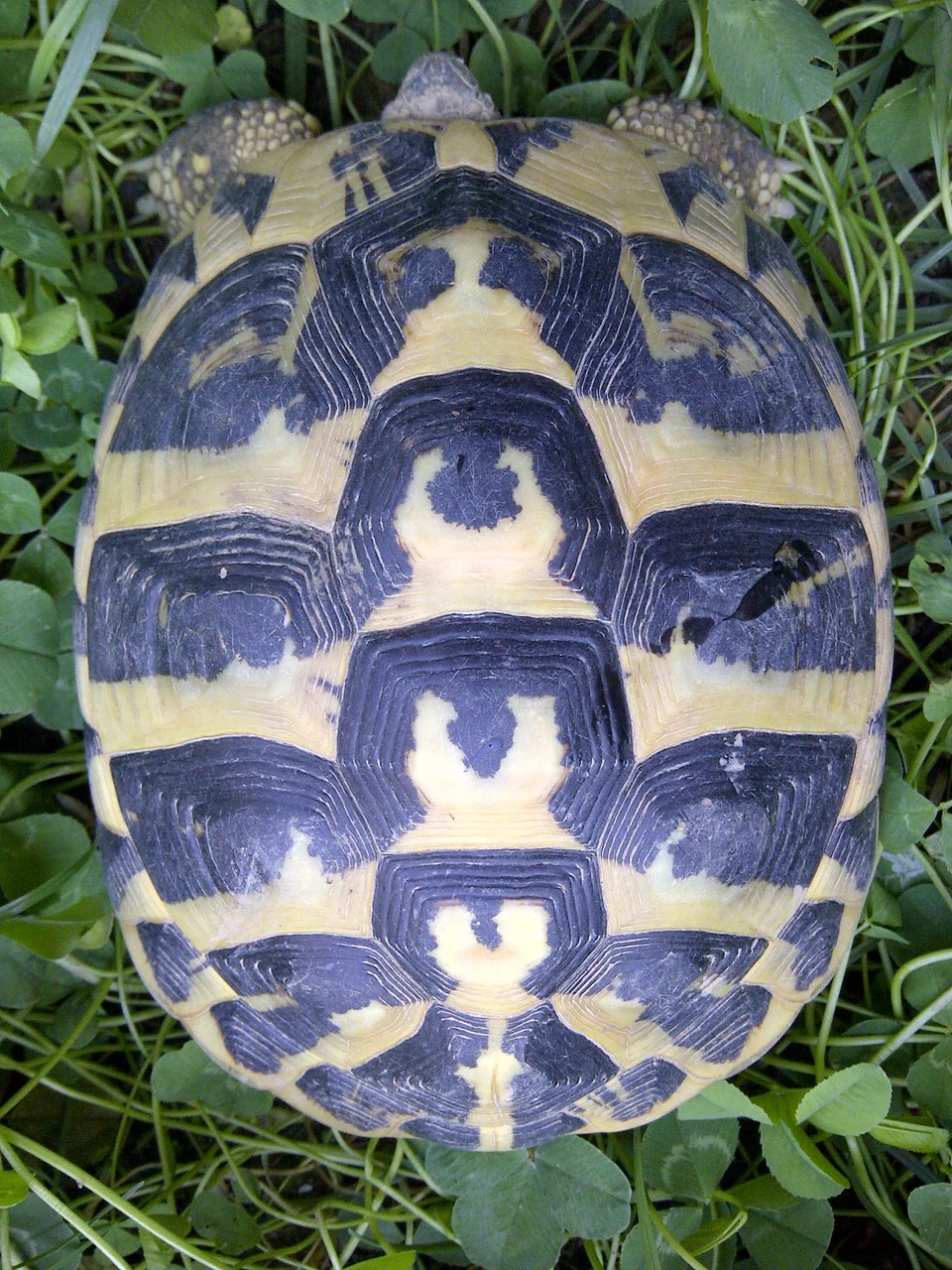
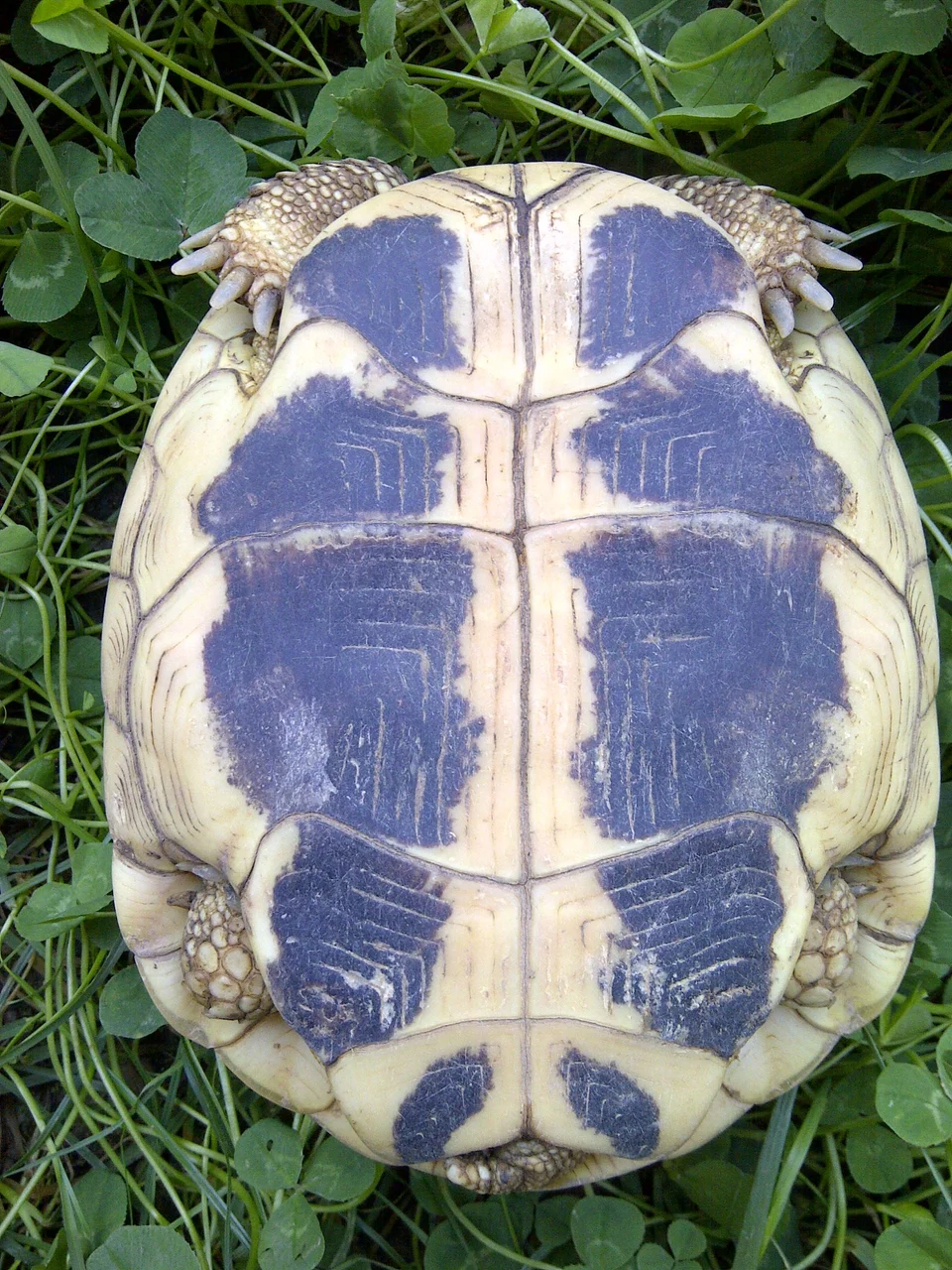
The short tail is particularly noticeable in the view from below. A female’s plastron is generally flat, but a straight-on photograph does not measure its curvature. [1]
Male
The key detail is at the rear.
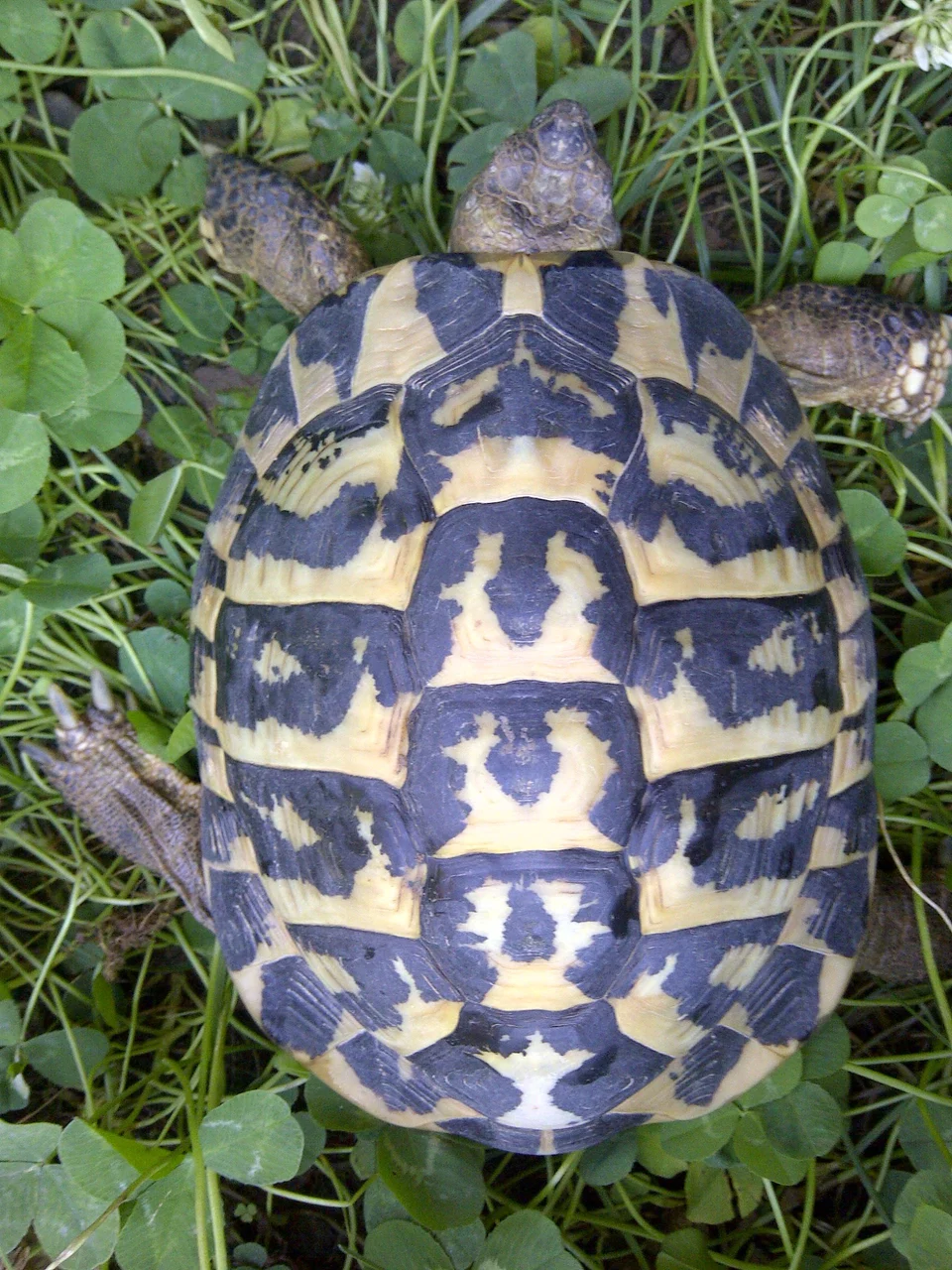
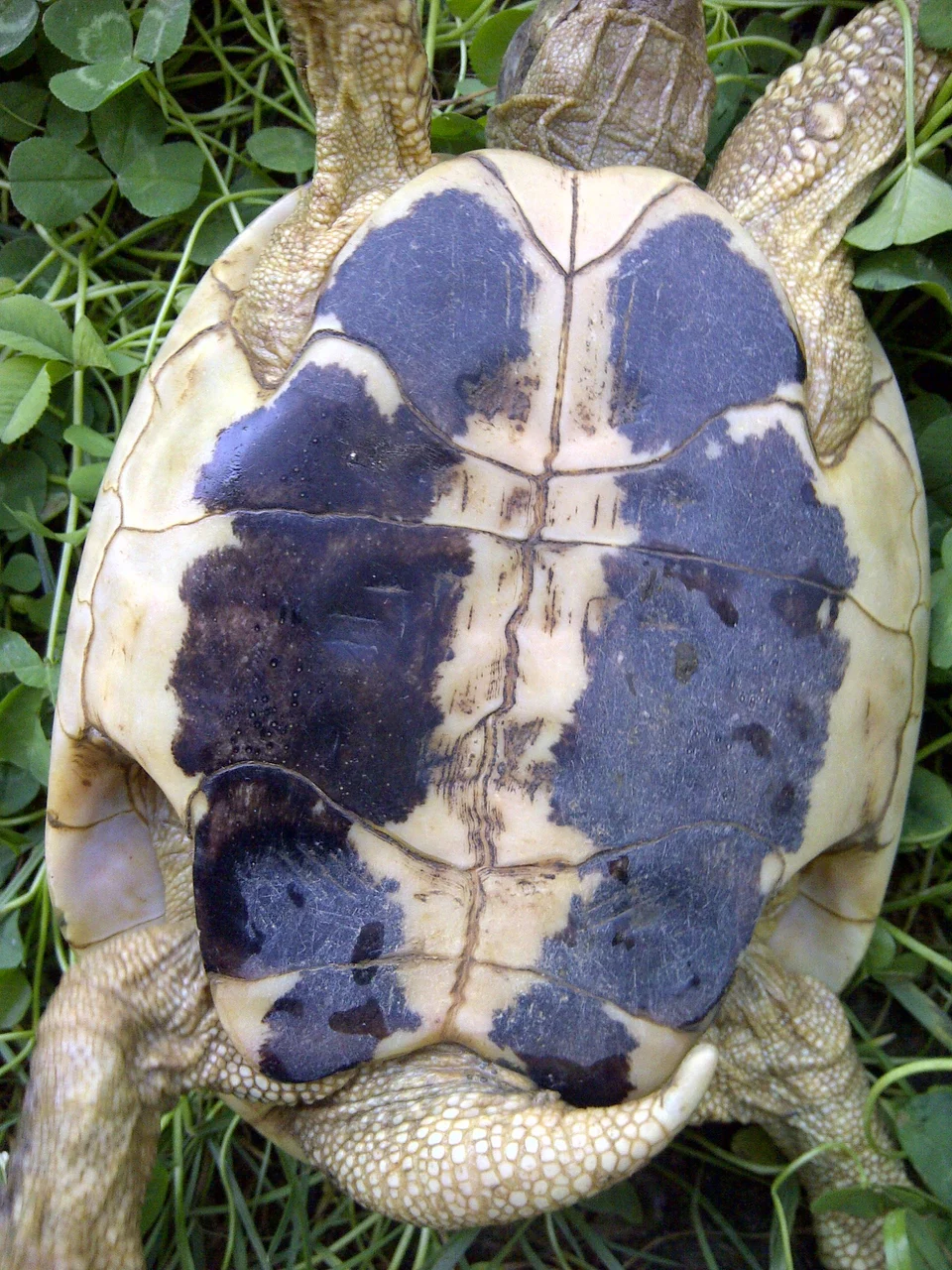
Mature males have a more developed tail and a plastron that tends to be concave. The latter feature supports the comparison, but should not be inferred from shadows alone. [1]
A guide to observation
Which differences really matter?
Sexual dimorphism means the physical differences between the sexes. In adult Hermann’s tortoises, several areas of the body are compared, without treating any one feature as an absolute rule.
Length and thickness
A male’s tail is generally longer and thicker at the base; a female’s is shorter. Posture matters: a folded tail may look hidden or be mistaken for a leg. Look at where it begins and follow its length. [2]
Flat or concave?
A mature male tends to have a concave underside; a female’s is flatter. Lighting and perspective can exaggerate or hide this contour. A dark patch alone does not mean ‘concave’. [1]
More than the tip of the tail
The space between the rear scutes and the position of the cloaca—the opening on the underside of the tail—are also considered. If it is not visible, do not imagine where it is. Veterinary assessments compare these features with the others. [4]
Proportions, not fixed outlines
Females are larger on average; in males, the outline from above may widen towards the rear, becoming almost trapezoidal. Origin and individual variation make comparisons between two unfamiliar animals unreliable. Do not assign sex based on weight, colour or a photograph from above alone. [2]
An interesting fact that prevents a mistake
The small horny tip at the end of the tail occurs in both sexes of Testudo hermanni: it is not a ‘male feature’. [2]
A morphometric study of adult T. h. boettgeri found the shape of the plastron more informative than that of the carapace. This was an analysis of measurements and shapes, not proof that a quick glance at a photograph is enough. The authors do not extend the findings to juveniles. [3]
What if it is still young?
Before these features develop, males and females may look similar. We do not suggest an age or size that guarantees an answer for every individual. A small tail in a young tortoise does not automatically mean ‘female’: sometimes the most accurate conclusion is to wait. [2]
In Testudo hermanni, sex is assessed by comparing several features, especially in mature individuals. A plastron, a tail or a photograph alone is not proof. In juveniles, the assessment may remain uncertain.
A combination of clues
The shape and proportions of the tail, the rear of the body and the plastron all form part of the comparison. Age, maturity and individual variation affect how clearly these features can be read. Carapace colour or a behaviour seen just once will not settle the question.
Why a photograph can mislead
Perspective, posture and framing can hide or distort proportions. An image that seems clear to the person who took it may not allow a reliable assessment. This is why we do not use generated illustrations as a diagnostic atlas or promise certain identification at a distance.
Do not turn it over out of curiosity
Looking for a detail does not justify stress or prolonged handling. Ask a vet experienced in reptiles how to make a useful observation, if one is needed. Archive photographs are not an invitation to recreate the pose.
And after identification?
Knowing the sex does not mean you should form a pair. Persistent courtship and sharing an enclosure can cause problems; breeding requires a plan for the health, space and documentation of the hatchlings. Do not add an animal simply to keep the first one company.
Observe and compare · photographs with answers
Do you have a Guardian’s eye?
This is a collection to explore: study each photograph, then open the answer to understand the clues. No score, registration or email. ‘This photograph is not enough’ is a useful answer when essential details are missing.
Would you like an interactive activity to do together? In the Little Guardians workshop, five illustrated challenges are followed by five photographs, with an adult and without sharing any personal details.
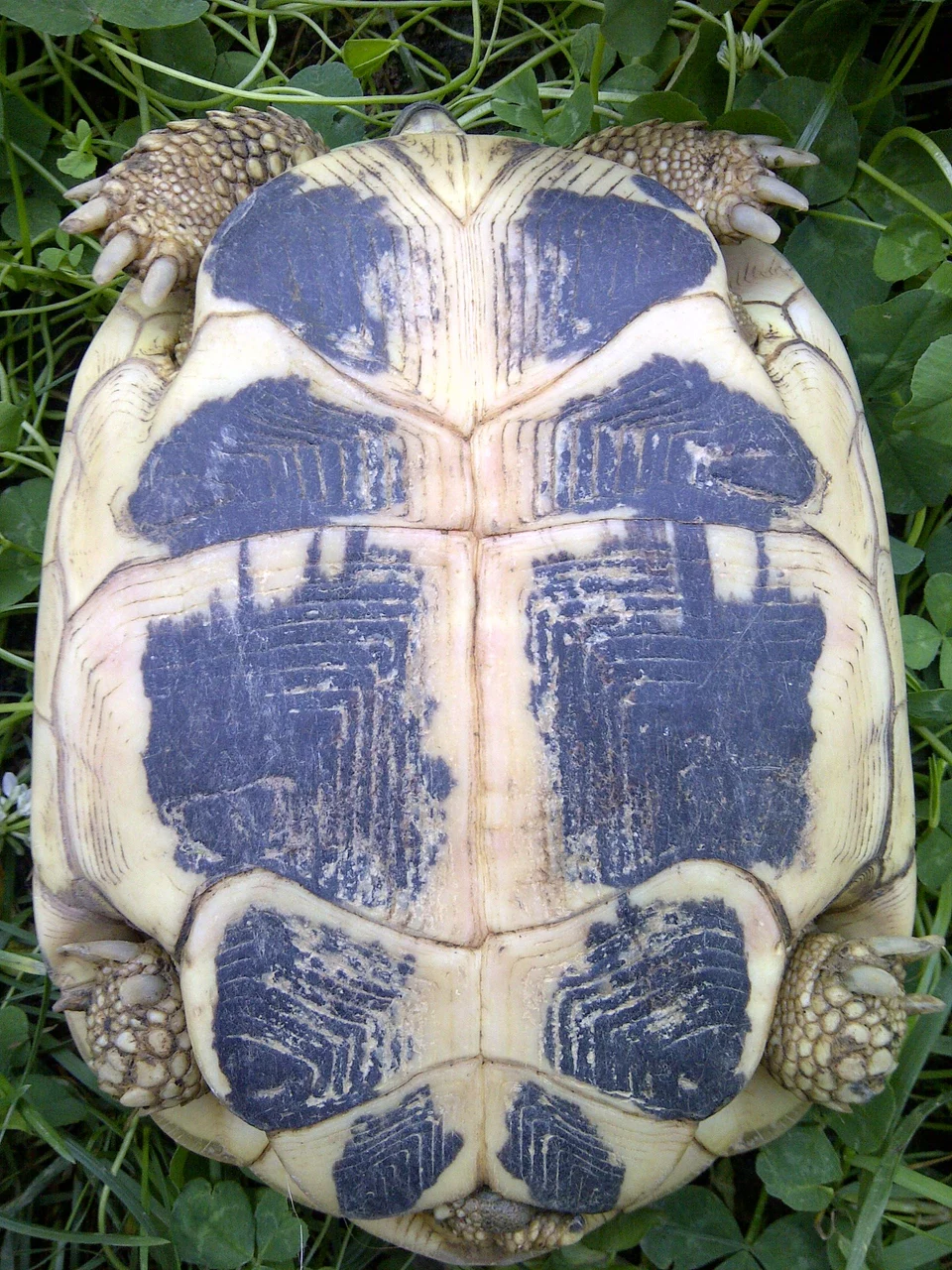
Archive photograph 1
What do you think: male or female?
What do the visible clues suggest when considered together?
The photograph did not load: this round will not count. Reload the page to try again.
The short, compact tail is consistent with the female recorded in the archive. Consider it alongside the rear of the body: plastron colour is not the criterion.
See the answer and explanation
Female. The short, compact tail is consistent with the female recorded in the archive. Consider it alongside the rear of the body: plastron colour is not the criterion.
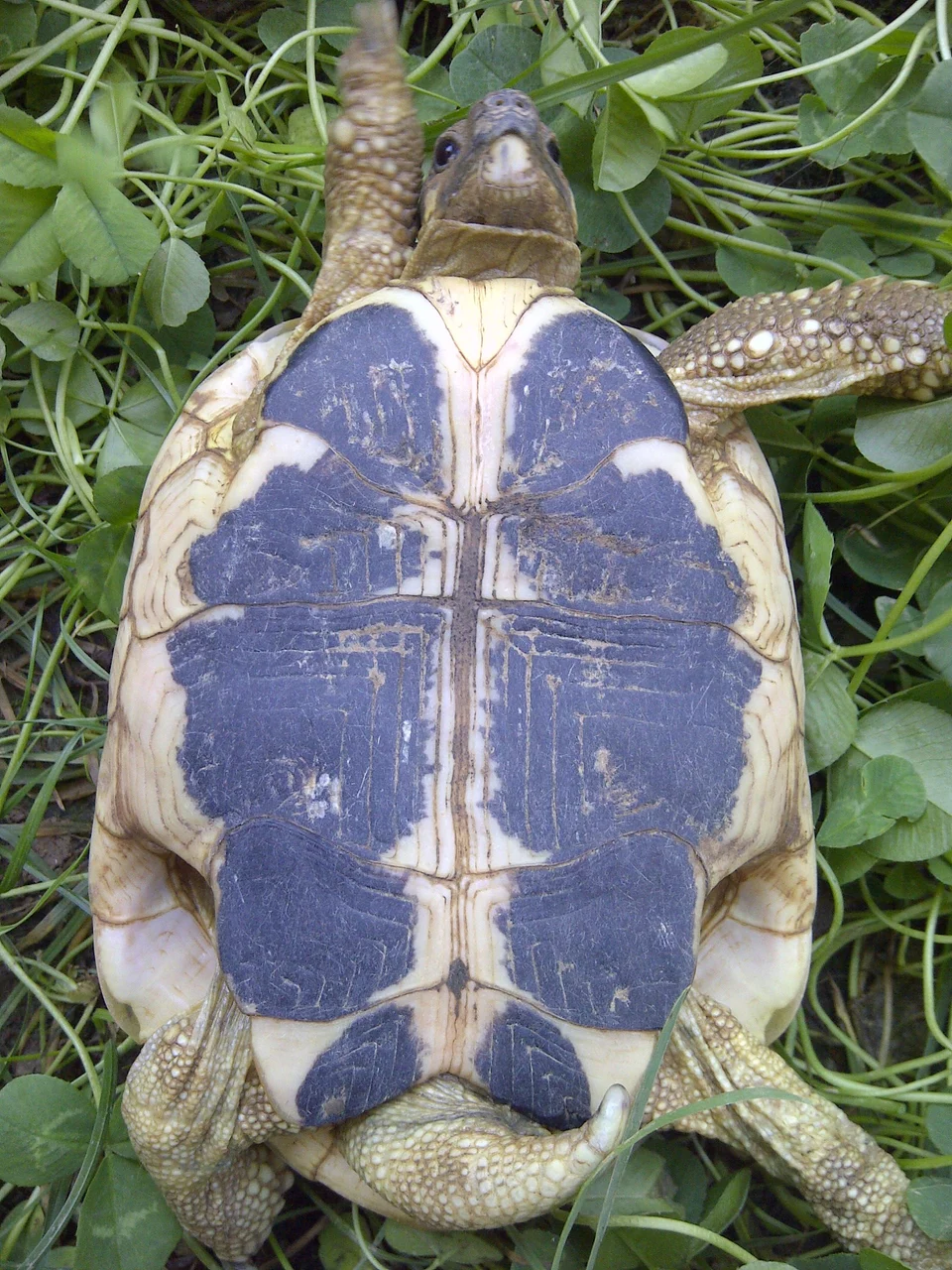
Archive photograph 2
What do you think: male or female?
What do the visible clues suggest when considered together?
The photograph did not load: this round will not count. Reload the page to try again.
The well-developed tail folds to one side beneath the edge of the shell. This is a male characteristic, consistent with the individual’s archive record.
See the answer and explanation
Male. The well-developed tail folds to one side beneath the edge of the shell. This is a male characteristic, consistent with the individual’s archive record.
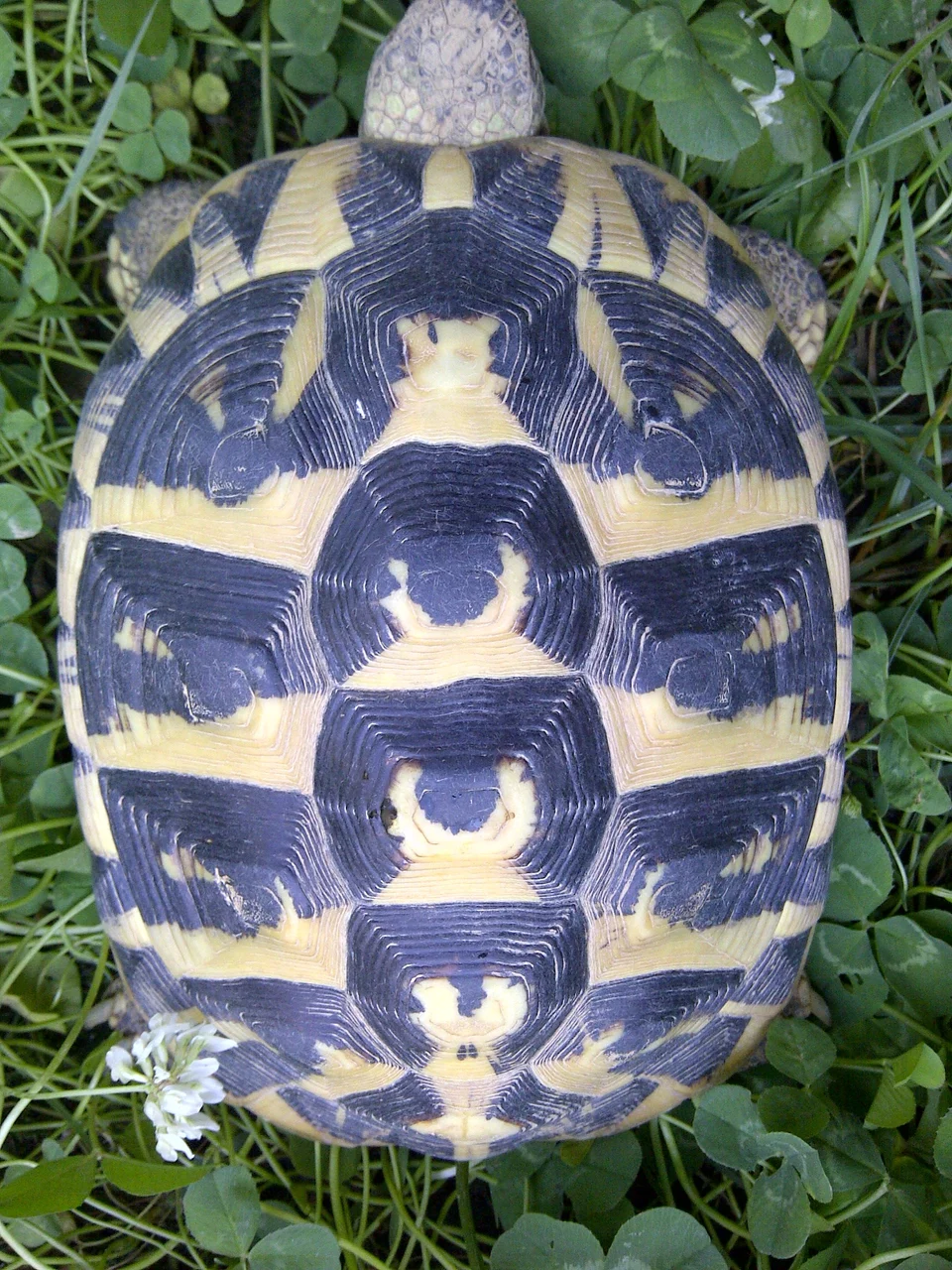
Archive photograph 3
What do you think: male or female?
What do the visible clues suggest when considered together?
The photograph did not load: this round will not count. Reload the page to try again.
The upper shell is clearly visible, but the main clues at the rear are missing. The carapace pattern cannot establish sex: here, it is right not to decide.
See the answer and explanation
This photograph is not enough. The upper shell is clearly visible, but the main clues at the rear are missing. The carapace pattern cannot establish sex: here, it is right not to decide.
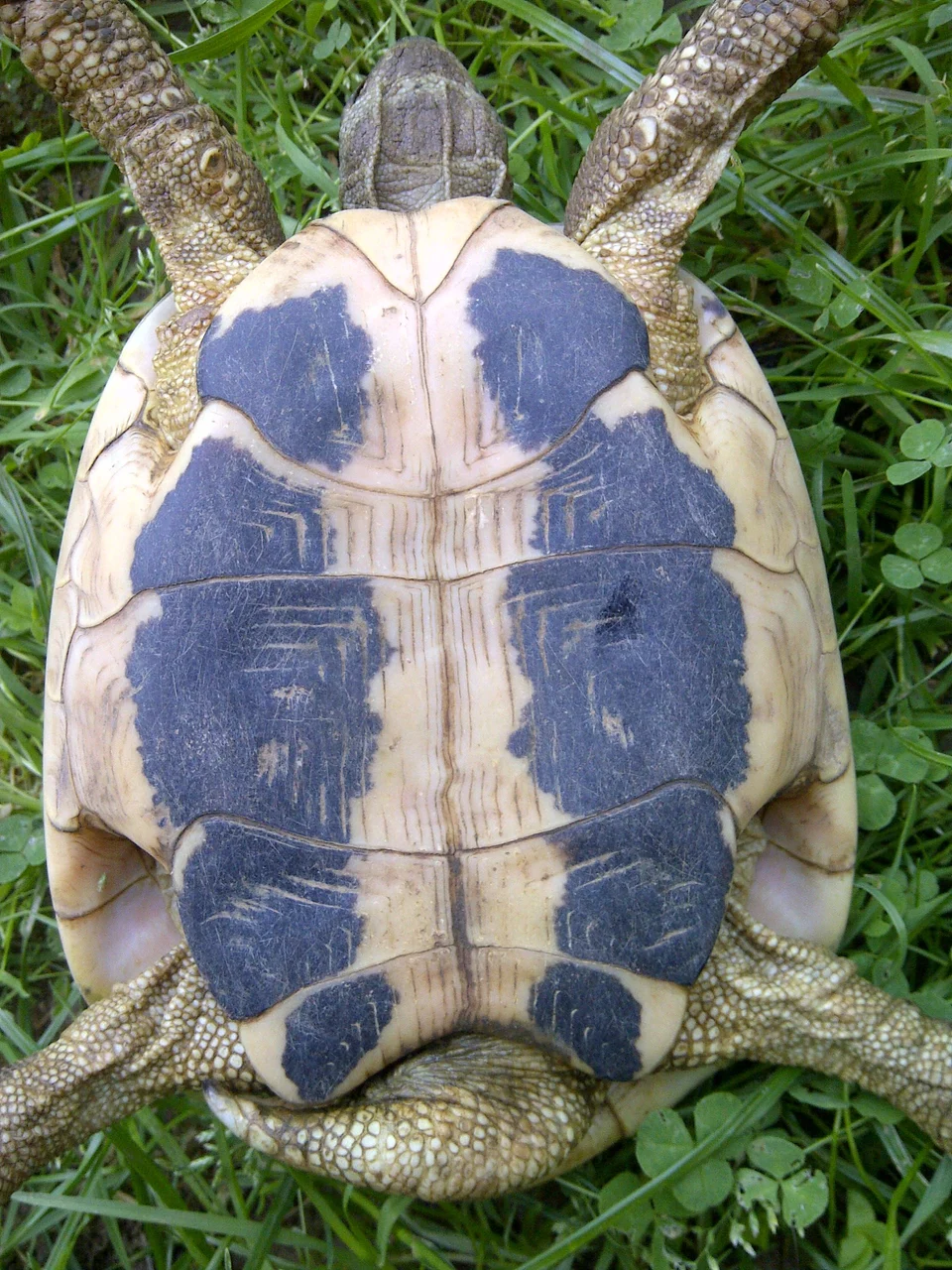
Archive photograph 4
What do you think: male or female?
What do the visible clues suggest when considered together?
The photograph did not load: this round will not count. Reload the page to try again.
Follow the tail, not the markings: it is thick and extends to one side. This feature is consistent with the male recorded in the archive.
See the answer and explanation
Male. Follow the tail, not the markings: it is thick and extends to one side. This feature is consistent with the male recorded in the archive.
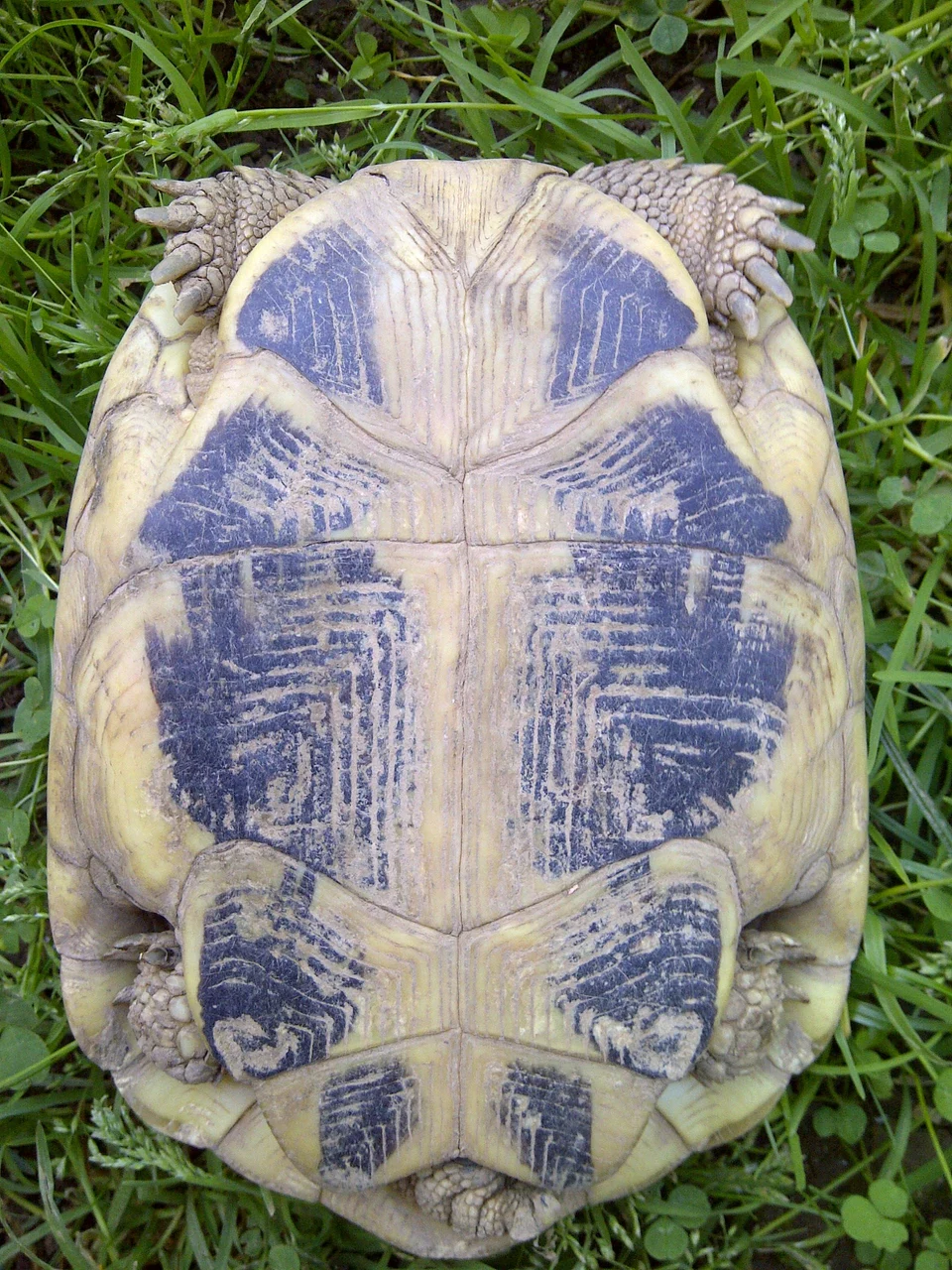
Archive photograph 5
What do you think: male or female?
What do the visible clues suggest when considered together?
The photograph did not load: this round will not count. Reload the page to try again.
The tail is short and held close to the rear edge, consistent with the female in the archive. A small tail in a juvenile, however, would not offer the same confidence.
See the answer and explanation
Female. The tail is short and held close to the rear edge, consistent with the female in the archive. A small tail in a juvenile, however, would not offer the same confidence.
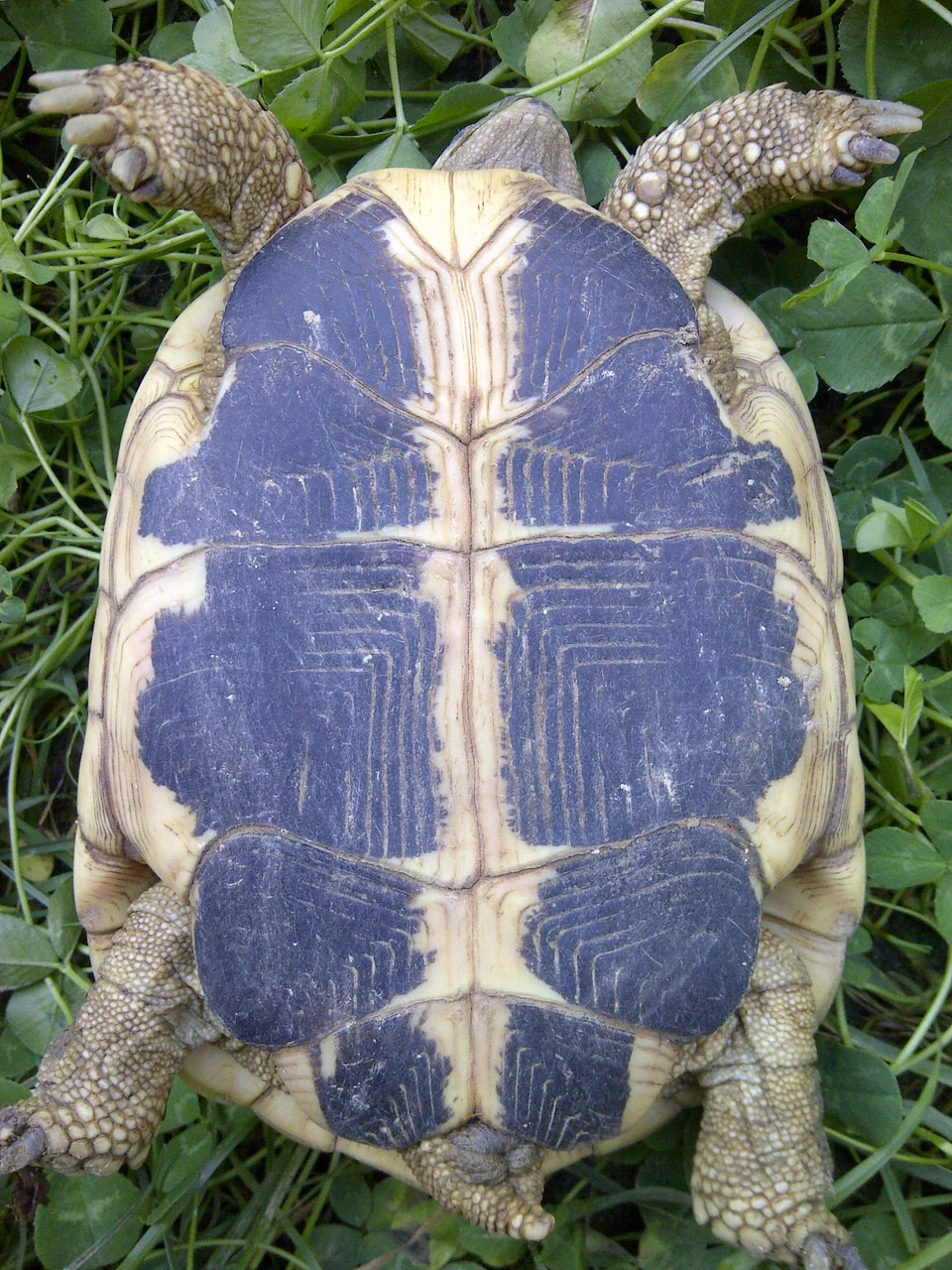
Archive photograph 6
What do you think: male or female?
What do the visible clues suggest when considered together?
The photograph did not load: this round will not count. Reload the page to try again.
Compared with the male examples, the tail remains short and does not form a long folded section. The female archive classification is consistent with these visible clues.
See the answer and explanation
Female. Compared with the male examples, the tail remains short and does not form a long folded section. The female archive classification is consistent with these visible clues.
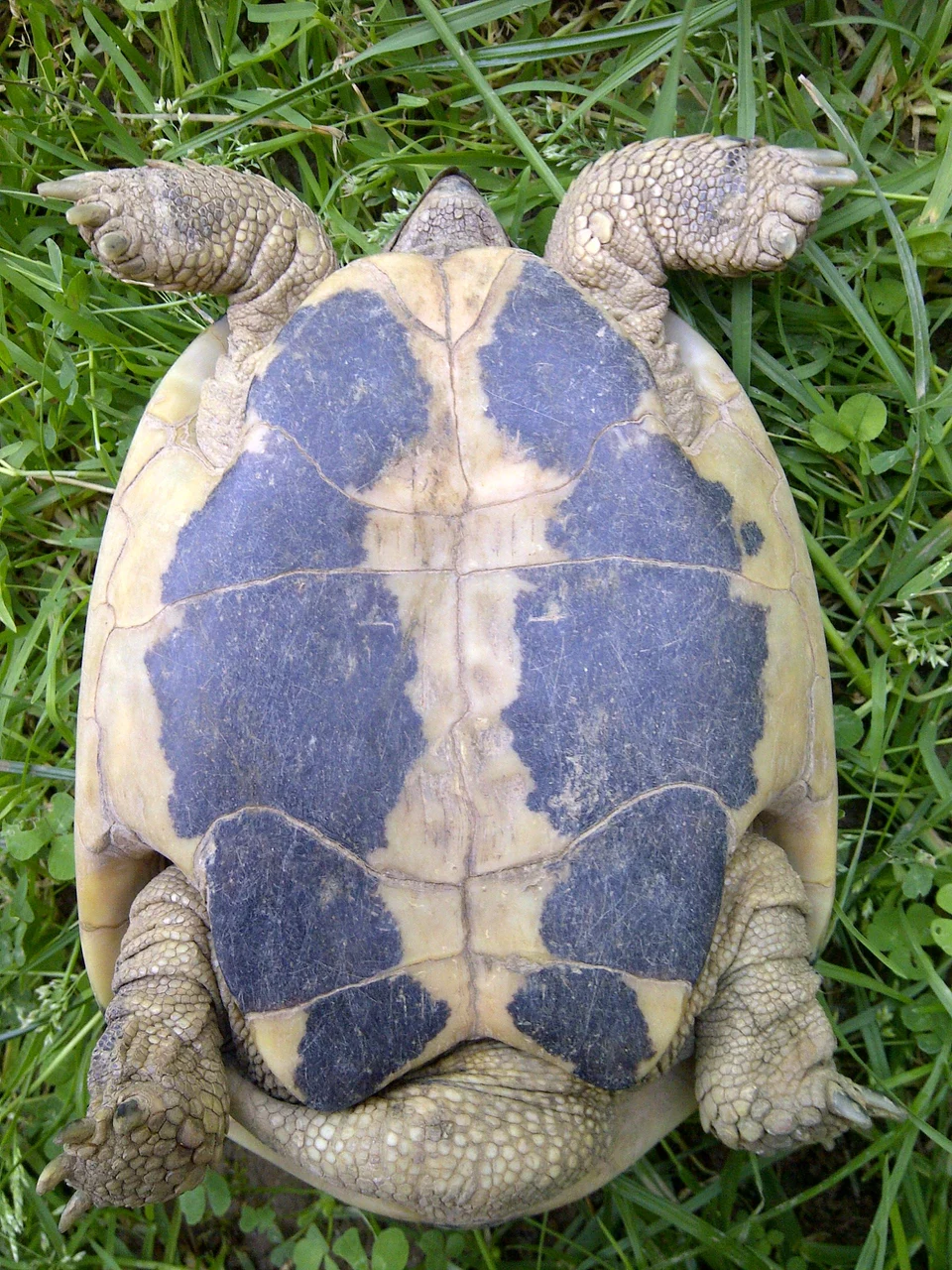
Archive photograph 7
What do you think: male or female?
What do the visible clues suggest when considered together?
The photograph did not load: this round will not count. Reload the page to try again.
The tail has a thick base and is visibly well developed at the rear. This is consistent with the male in the archive; the size of the photograph tells us nothing about the animal’s actual size.
See the answer and explanation
Male. The tail has a thick base and is visibly well developed at the rear. This is consistent with the male in the archive; the size of the photograph tells us nothing about the animal’s actual size.
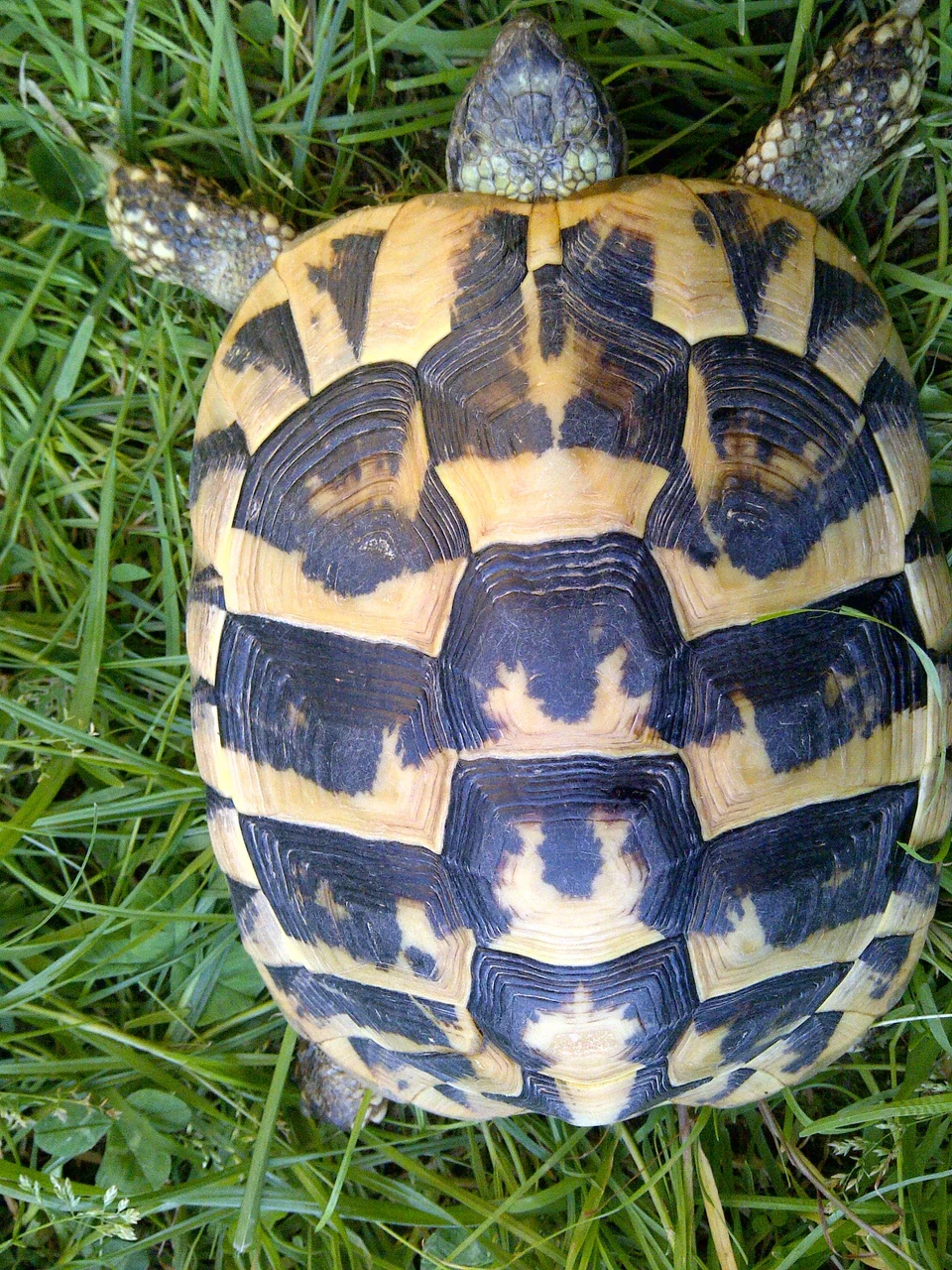
Archive photograph 8
What do you think: male or female?
What do the visible clues suggest when considered together?
The photograph did not load: this round will not count. Reload the page to try again.
The shape of the upper shell may provide context, but this angle does not show the tail and plastron usefully. We should not turn a resemblance into a certain answer.
See the answer and explanation
This photograph is not enough. The shape of the upper shell may provide context, but this angle does not show the tail and plastron usefully. We should not turn a resemblance into a certain answer.
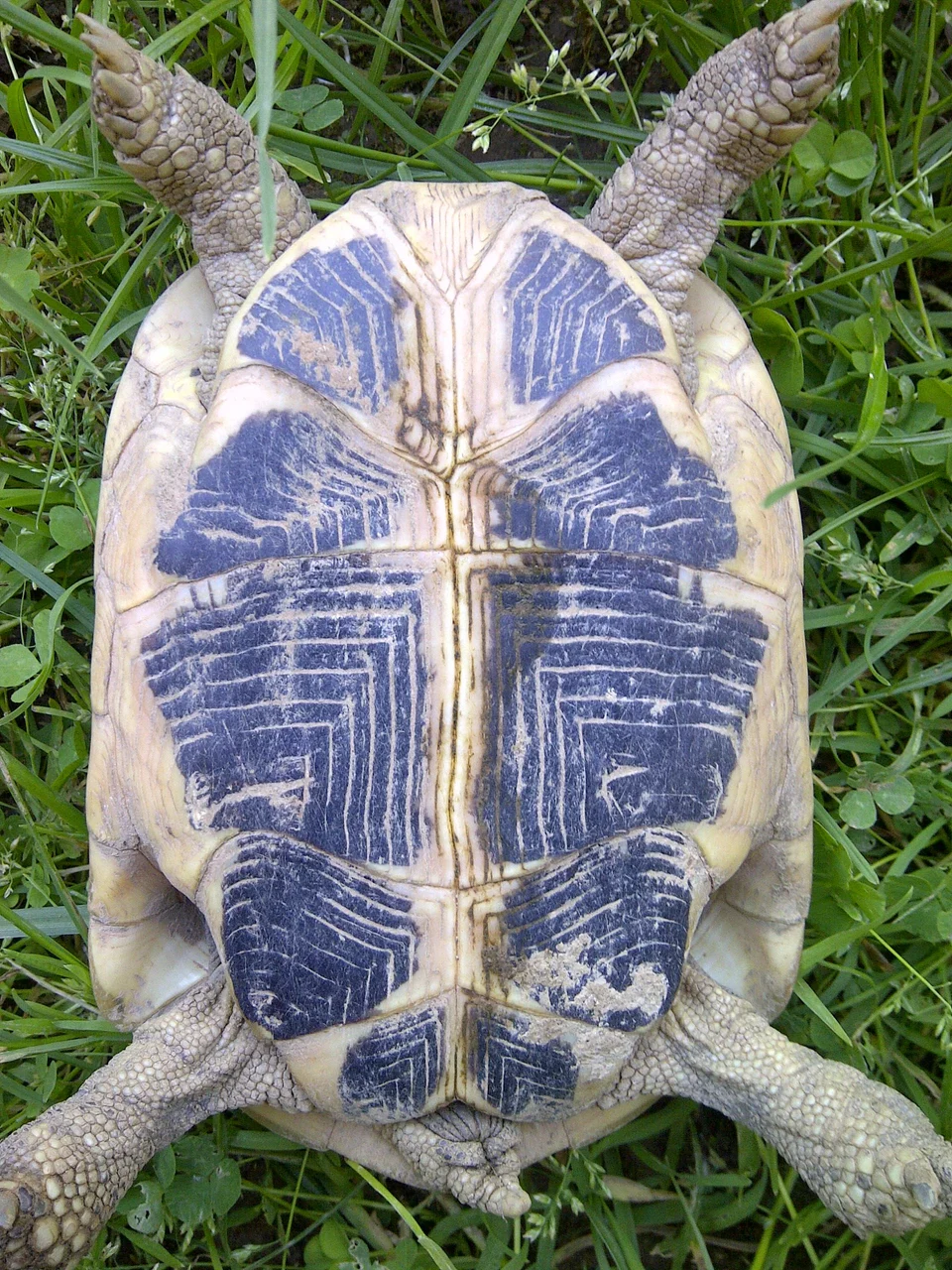
Archive photograph 9
What do you think: male or female?
What do the visible clues suggest when considered together?
The photograph did not load: this round will not count. Reload the page to try again.
Look at the compact tail at the centre of the rear edge: it does not extend along the edge as in the males shown. This is consistent with the recorded female.
See the answer and explanation
Female. Look at the compact tail at the centre of the rear edge: it does not extend along the edge as in the males shown. This is consistent with the recorded female.
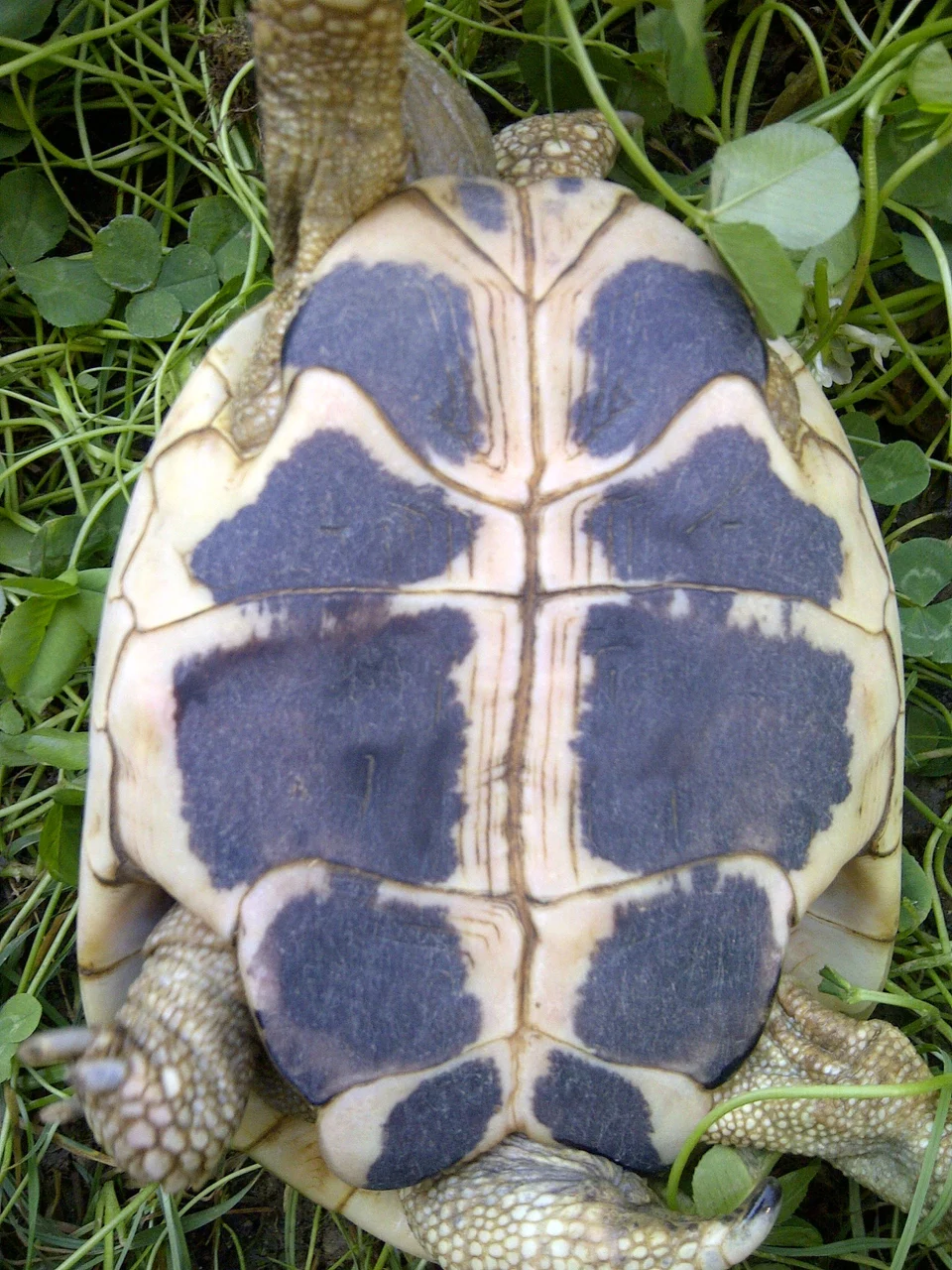
Archive photograph 10
What do you think: male or female?
What do the visible clues suggest when considered together?
The photograph did not load: this round will not count. Reload the page to try again.
The long, thick feature beneath the rear edge is the tail, not a leg. Its shape is consistent with the male in the archive.
See the answer and explanation
Male. The long, thick feature beneath the rear edge is the tail, not a leg. Its shape is consistent with the male in the archive.
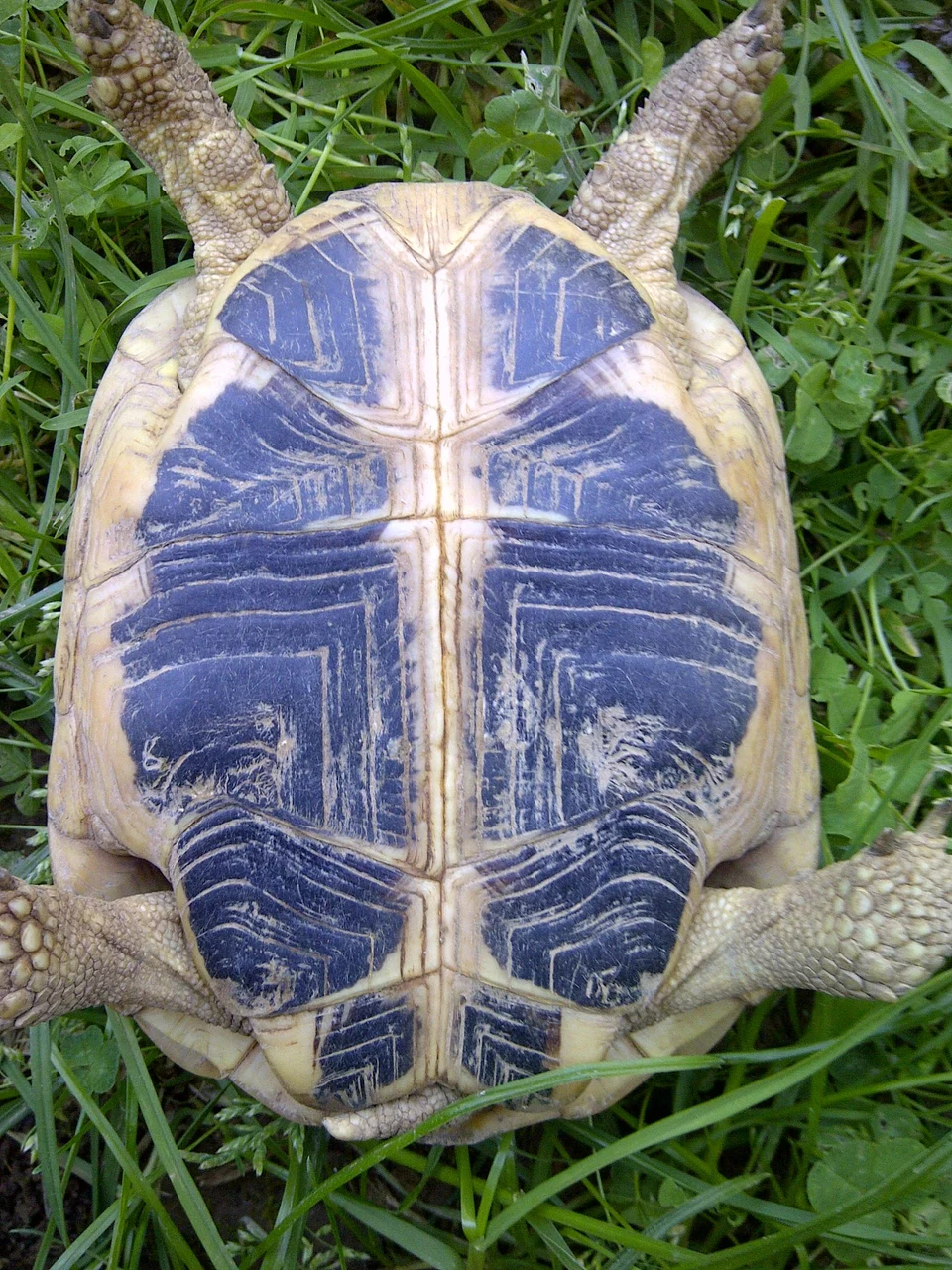
Archive photograph 11
What do you think: male or female?
What do the visible clues suggest when considered together?
The photograph did not load: this round will not count. Reload the page to try again.
The tail looks short and compact. In this archive specimen, the feature is consistent with a female; we do not use the dark markings to distinguish the sexes.
See the answer and explanation
Female. The tail looks short and compact. In this archive specimen, the feature is consistent with a female; we do not use the dark markings to distinguish the sexes.
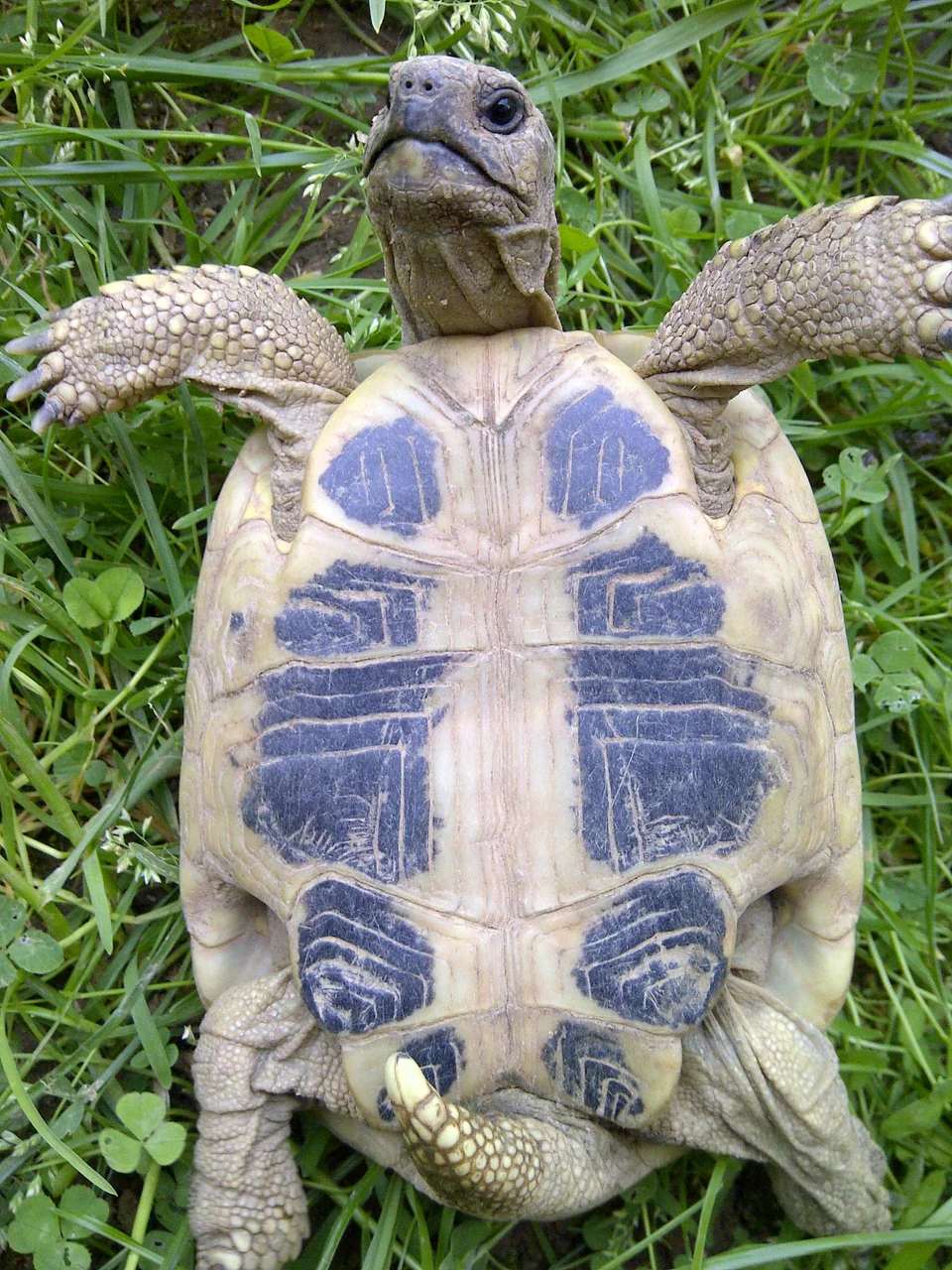
Archive photograph 12
What do you think: male or female?
What do the visible clues suggest when considered together?
The photograph did not load: this round will not count. Reload the page to try again.
The tail is well developed and folded beneath the shell edge, consistent with the recorded male. Plastron curvature cannot be measured from the shadows in a photograph alone.
See the answer and explanation
Male. The tail is well developed and folded beneath the shell edge, consistent with the recorded male. Plastron curvature cannot be measured from the shadows in a photograph alone.
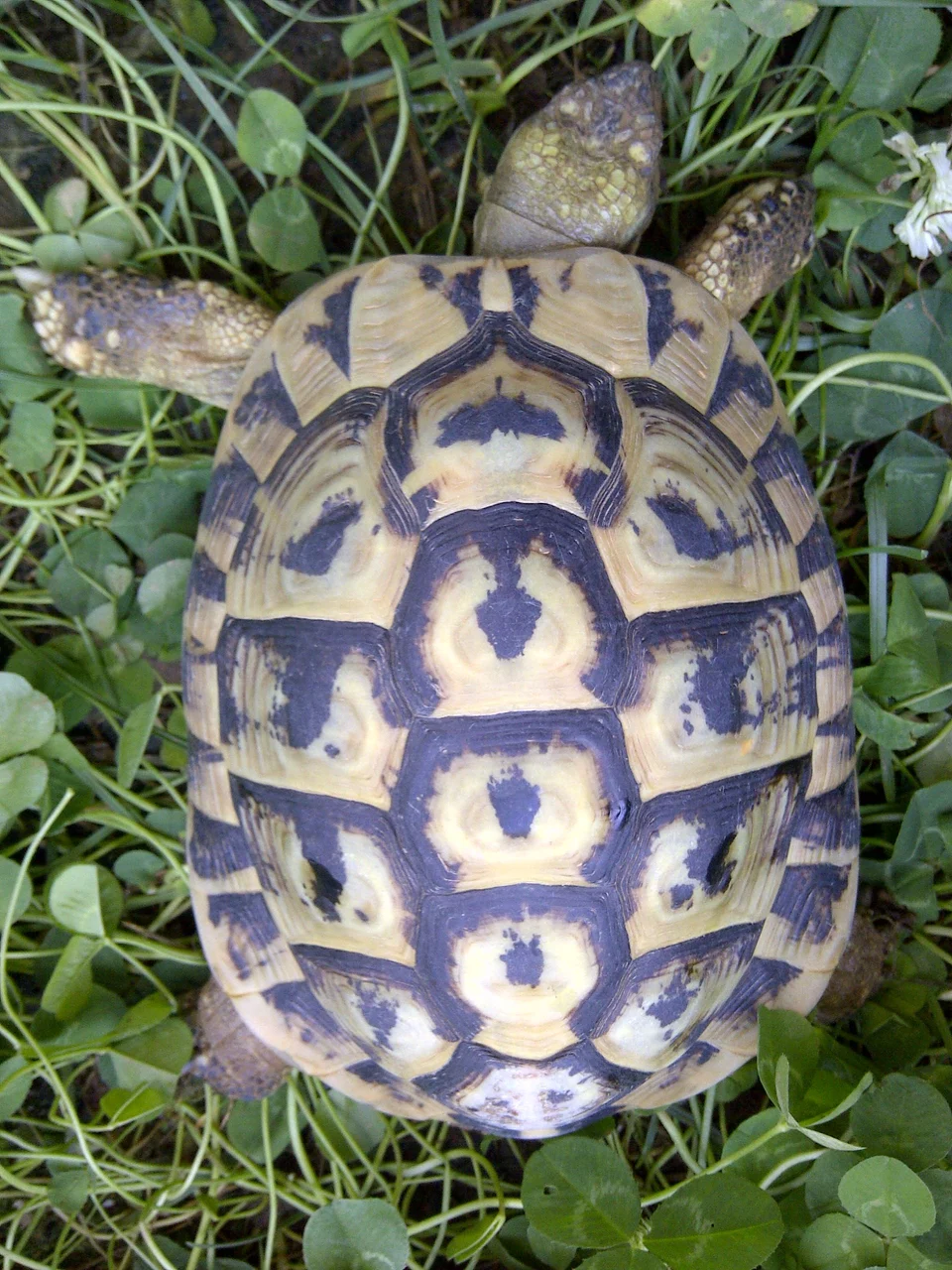
Archive photograph 13
What do you think: male or female?
What do the visible clues suggest when considered together?
The photograph did not load: this round will not count. Reload the page to try again.
Although the animal is recorded in the archive, this question concerns what we can actually see. Here, the carapace alone does not allow a reliable choice between male and female.
See the answer and explanation
This photograph is not enough. Although the animal is recorded in the archive, this question concerns what we can actually see. Here, the carapace alone does not allow a reliable choice between male and female.
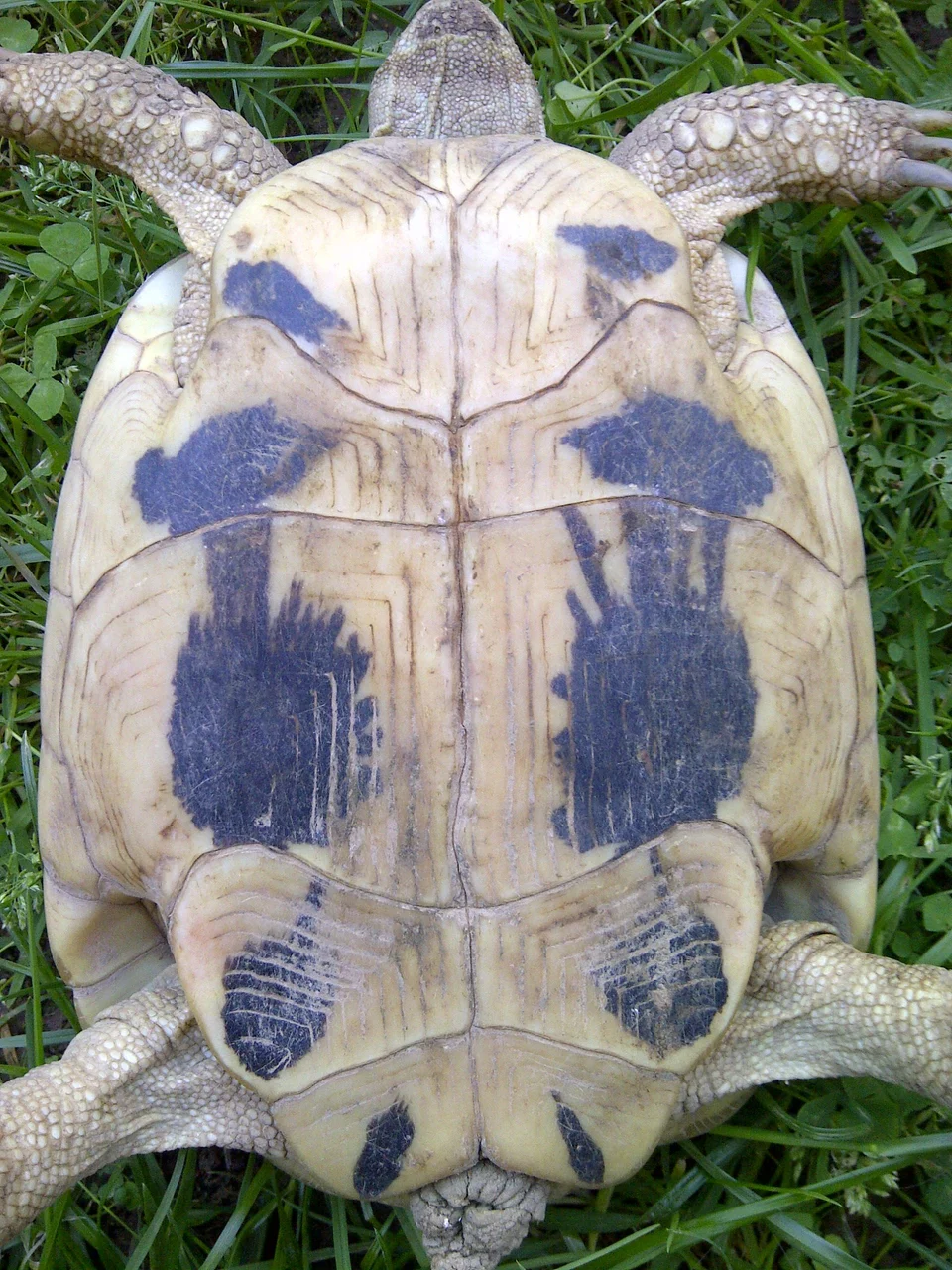
Archive photograph 14
What do you think: male or female?
What do the visible clues suggest when considered together?
The photograph did not load: this round will not count. Reload the page to try again.
The tail remains short and close to the plastron edge, consistent with the female in the archive. What matters is the combination of features, not a single marking.
See the answer and explanation
Female. The tail remains short and close to the plastron edge, consistent with the female in the archive. What matters is the combination of features, not a single marking.
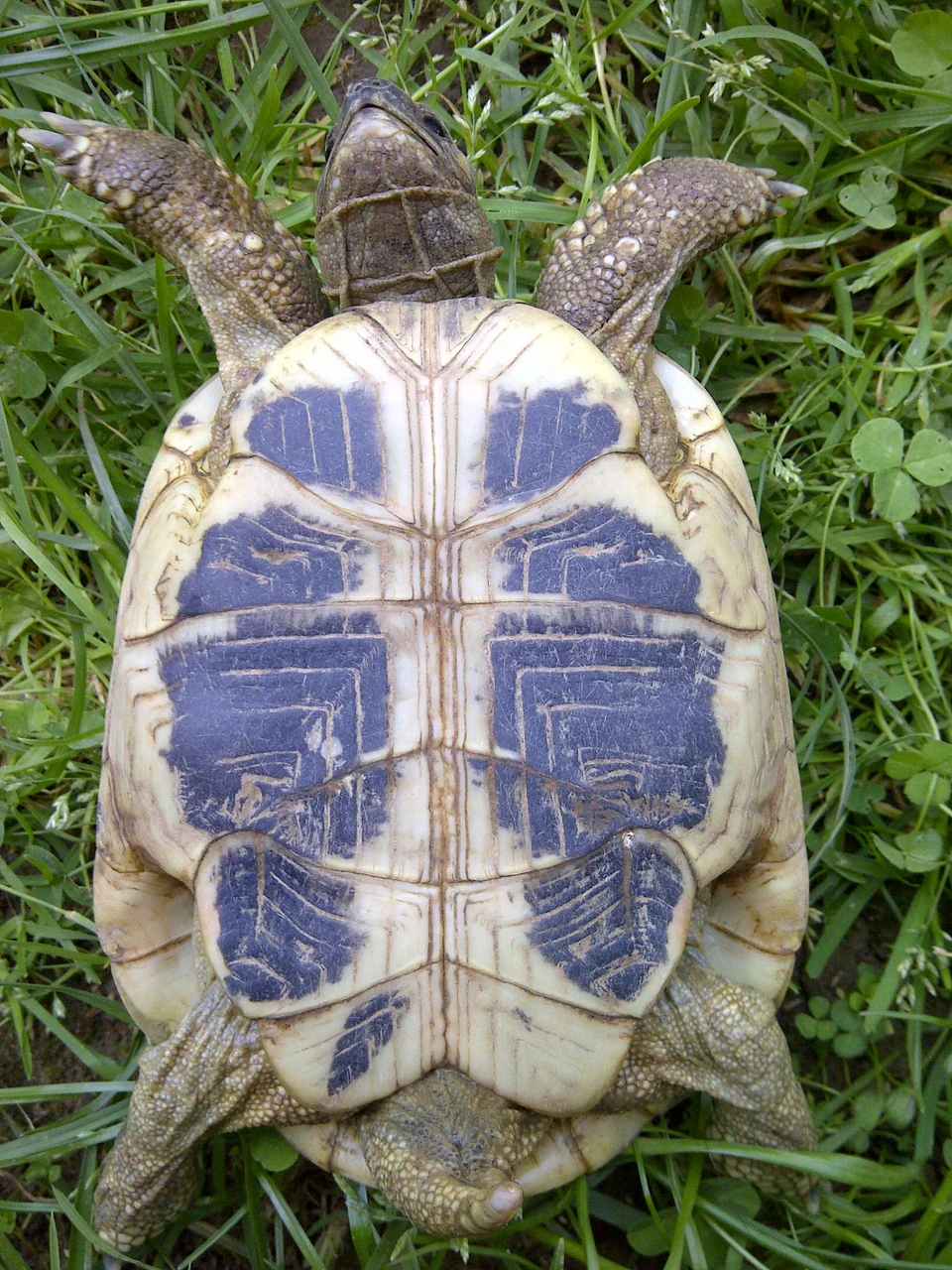
Archive photograph 15
What do you think: male or female?
What do the visible clues suggest when considered together?
The photograph did not load: this round will not count. Reload the page to try again.
The thick, elongated tail is the clearest clue in this view, consistent with the recorded male. If the tail were hidden, it would be right to withhold judgement.
See the answer and explanation
Male. The thick, elongated tail is the clearest clue in this view, consistent with the recorded male. If the tail were hidden, it would be right to withhold judgement.
Your little achievement
The result reflects this game: it is not a qualification or a veterinary assessment. Knowing when not to decide is also a sign of careful observation.
More than a game: a step closer to nature.
You chose to pause, observe and understand: that small gesture matters, whatever your score. Curiosity about a tortoise can grow into care for its habitat and the many forms of life that share it. You do not need to know everything already: an understanding of nature grows one question and one respectful observation at a time. Thank you for spending this time learning.
Curiosity can become participation.
Choose the path that feels right for you, with no obligation.
Would you like to become a Guardian?
Discover the Foundation’s vision and choose your own way to take part.
Discover how to take part →Would you like to help us create content?
A photograph, an observation or an area of expertise can start a conversation with our editorial team.
Suggest a contribution →Would you like to make a donation of your choice?
If you wish, support the mission with an amount you choose: there is no required donation.
Support the Foundation →Suggestions begin a conversation and are not published automatically. A donation does not confer qualifications or access to the Sanctuary.
Real photographs, sources you can consult.
The nineteen photographs selected on grass come from the Guardians’ archive: four for comparison and fifteen for the game. The male/female labels follow the archive records and are checked against visible features: they are not a new veterinary certification. No generated images and no anatomical alterations; only orientation adjustments and optimised web copies.
- Merck Veterinary Manual — photographic comparison, by Stephen Divers
- Bertolero et al., 2011 — Testudo hermanni monograph, IUCN SSC TFTSG, p. 059.4
- Duro et al., 2021 — adult dimorphism and morphometrics, Zoological Studies 60:9
- Frankenberger et al., 2024 — body condition assessment in Testudo hermanni, PLOS ONE
Sources consulted for this edition. Educational texts by the editorial team: no veterinary authorship or review is attributed without an actual review taking place.
