Advice
Before welcoming a tortoise
Six practical questions about space, time, documents and the future: responsibility begins before arrival.
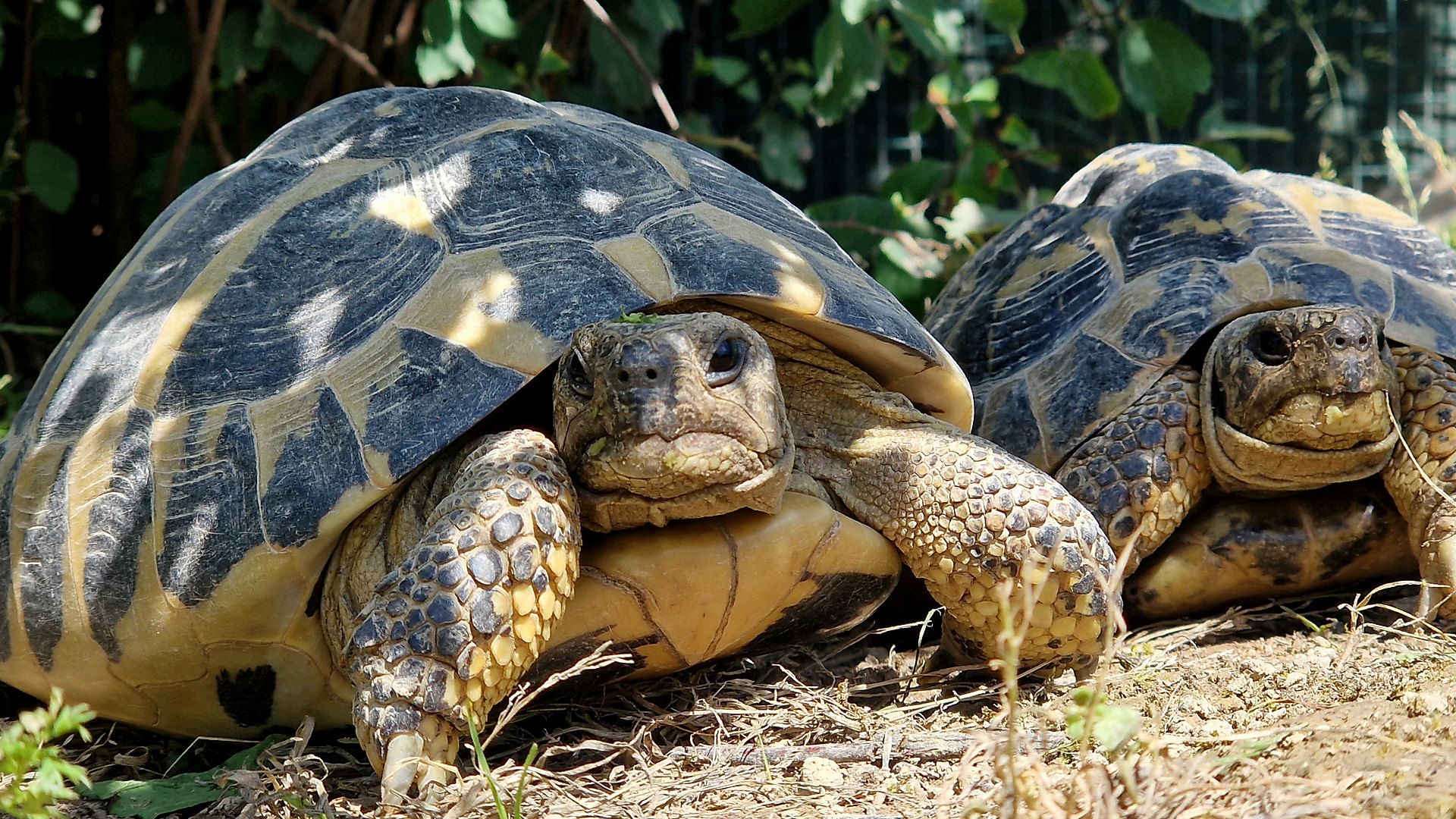
An authentic photograph from the Guardians’ archive.
The question is not simply “Do I like tortoises?” but “Can I provide suitable conditions even when my life changes?” Deciding against it, or waiting, can be a protective choice.
1. Do I know which species I am considering?
Do not decide only from a photograph or the animal’s current size. Origin, adult size and environmental needs matter. Confirm identification before choosing its housing.
2. Do I have a genuinely suitable space?
Plan the habitat before the animal arrives. Consider seasons, protection, maintenance and the ability to separate animals. A large garden is not automatically safe; a temporary arrangement should not become permanent through inaction.
3. Is its origin clear?
Check the documents and their match to the individual animal through the appropriate authorities or professionals. Do not accept vague explanations such as “none are needed because it was born here” without checking the case.
4. Who steps in if something changes?
Find a vet experienced in reptiles, and plan transport and unexpected costs. Allow time for daily observation, cleaning and checks too.
5. What happens when I am away?
A trusted person needs to know the care plan, not just “give it some lettuce”. Prepare clear instructions, contact details and guidance on when to seek help. Go through what to do if the animal escapes, the weather turns bad or something seems wrong.
6. Am I thinking about the future too?
Tortoises can be part of your life for a very long time. Moving home, illness, changing family needs and being unable to continue providing care deserve thought in advance. Do not assume that the Foundation or another organisation can take in every animal.
Write down your answers before making a commitment. Wherever there is a gap, pause and clarify it: that is already a practical way of being a Guardian.
